Bike Share vs Bike Rental: What's the Difference and Which Software Do You Need?
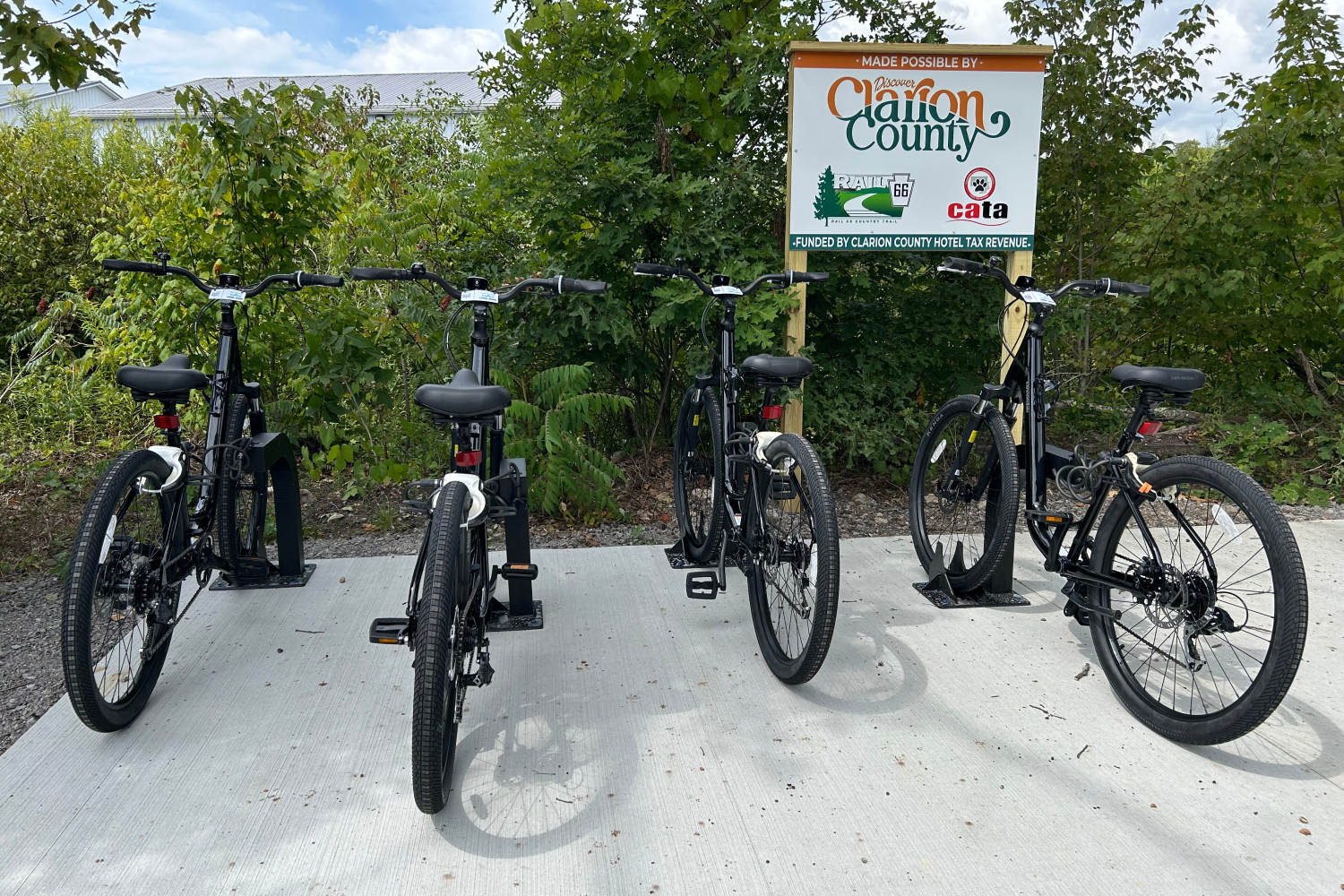
Many bike fleet operators run hybrid programs. A hotel might offer self-service bike share for quick trips around the property (per-ride pricing, geofenced zones, smart lock access) while also renting bikes to guests for full-day beach excursions (daily rate, reservation-based).
The terms "bike share" and "bike rental" get used interchangeably, but they describe fundamentally different models with different technology requirements, different customers, and different revenue structures. If you are evaluating software for a bike fleet, understanding this distinction will save you from choosing the wrong platform.
This guide breaks down how the two models work, where they overlap, and what software capabilities each one demands.
What Is Bike Sharing?
Bike sharing is a self-service, short-trip transportation model. Riders access bikes on demand — typically through a mobile app — use them for a quick trip, and return them to a designated zone. The entire experience is automated. No staff interaction, no reservation required, no paperwork.
How it works in practice: A resident at an apartment complex opens the rider app, finds an available bike nearby, taps to unlock the smart lock, rides to the grocery store, and parks the bike in a geofenced parking zone when done. The app automatically calculates the fare and charges their account.
Key characteristics of bike share:
Short duration. Most rides are under 30 minutes. The average bike share trip is 10-15 minutes.
Self-service. Riders unlock bikes via app and smart lock. No checkout counter, no waivers to sign in person.
Per-minute or per-trip pricing. Riders pay $1-3 per ride or $0.10-0.25 per minute. Monthly subscriptions are common.
Geofenced service area. Software defines where bikes can be ridden and where they must be parked. No docking stations required — designated parking zones are enforced digitally.
Amenity or transit model. Bike share programs are typically operated as a property amenity, campus service, municipal transit option, or hotel guest perk.
Fleet stays local. Bikes circulate within a defined geographic area and are meant to stay there.
What Is Bike Rental?
Bike rental is a longer-duration model where customers reserve a bike for hours, a full day, or even multiple days. It is closer to traditional equipment rental — think car rental, but with bikes.
How it works in practice: A tourist visiting a beach town books a cruiser bike online for the day. They pick it up at the rental shop (or it is delivered to their hotel), ride around town all day, and return it before closing time. Payment was handled at booking.
Key characteristics of bike rental:
Longer duration. Rentals are typically hourly, daily, or weekly. A single rental might last 4-8 hours.
Reservation-based. Customers book in advance through a website or app. Availability calendars and inventory management matter.
Hourly or daily pricing. Rates range from $10-25 per hour to $30-75 per day. Weekly and seasonal rates are common.
Storefront or delivery model. Traditional bike rental involves a physical shop. Modern platforms also support delivery and self-service pickup with smart locks.
Tourism and recreation focus. The primary customer is a visitor — tourists, vacationers, event attendees.
Bikes leave the area. Renters take bikes wherever they want for the duration of the rental. There is less geographic restriction.
Which Software Features Do You Need?
- Features both models share
- Regardless of whether you run bike share, bike rental, or both, your software needs:
- GPS fleet tracking — know where every bike is in real-time
- Payment processing — handle transactions, refunds, and billing
- Maintenance tracking — schedule and log repairs, monitor bike condition
- Analytics and reporting — ride data, revenue reports, utilization metrics
- Rider/customer management — user accounts, ride history, communication
- Mobile app — riders need a way to find and access bikes from their phone
Features specific to bike share
Bike share programs have unique requirements driven by the self-service, short-trip model:
Geofencing zones — the ability to define service areas, designated parking zones, no-go zones, and speed-limit zones on a digital map. This is the single most important feature for bike share. Without it, bikes scatter randomly and your program loses credibility.
Smart lock integration — your software must send unlock commands to Bluetooth-enabled locks mounted on the bikes. The lock is the access control mechanism — there is no checkout desk.
Automated zone enforcement — the system should automatically detect when a bike is parked outside a designated zone and either alert the rider, apply a fee, or prevent the ride from ending.
Real-time availability map — riders need to see which bikes are available and where, updated in real-time.
Per-minute/per-ride billing — the platform must calculate fares based on ride duration or flat per-trip rates.
Subscription management — many bike share programs offer monthly passes or memberships.
Features specific to bike rental
Bike rental operations prioritize inventory management and the booking experience:
Reservation and booking system — online calendar showing availability by bike type, with the ability to book and pay in advance.
Inventory management — track which bikes are available, rented, in maintenance, or retired. Manage multiple bike types (cruisers, e-bikes, tandems, kids bikes).
Delivery scheduling — if you offer delivery to hotels or vacation rentals, you need route planning and delivery windows.
Waiver and ID management — collect digital signatures on liability waivers and verify rider identity.
Seasonal pricing — adjust rates for peak season, holidays, and special events.
Multi-day tracking — monitor bikes that are out for extended periods without micromanaging riders.
Can One Platform Handle Both?
Yes — and this is increasingly what operators want.
Many bike fleet operators run hybrid programs. A hotel might offer self-service bike share for quick trips around the property (per-ride pricing, geofenced zones, smart lock access) while also renting bikes to guests for full-day beach excursions (daily rate, reservation-based). A university might run a campus bike share during the semester and switch to daily rentals for summer conference guests.
Platforms like Koloni Fleet by Accessa are built to support both models from a single dashboard. The same smart locks, the same GPS tracking, the same fleet — configured for per-ride sharing in one zone and daily rental in another. This eliminates the need to run two separate software platforms for what is ultimately the same fleet of bikes.
The key is choosing a platform that supports both per-minute billing (for share) and reservation-based booking (for rental), with geofencing flexible enough to accommodate different operating modes.
How to Choose: A Decision Framework
Choose bike share if:
- Your riders are local (residents, students, employees, guests staying on-site)
- Most trips will be short — under 30 minutes
- You want a fully automated, self-service experience
- You are operating within a defined geographic area (property, campus, downtown zone)
- Revenue comes from high volume at low per-ride cost, or the program is funded as an amenity
Choose bike rental if:
- Your customers are primarily visitors and tourists
- Most rentals will be multi-hour or multi-day
- You have (or want) a storefront or delivery operation
- Riders will take bikes outside your immediate area
- Revenue comes from fewer transactions at higher per-rental rates
Choose a hybrid platform if:
- You serve both local users and visitors
- You want per-ride and daily/weekly pricing options
- Your fleet needs to flex between models based on season or demand
- You want one dashboard, one app, one fleet — not two separate systems
When to Consider a Hybrid Approach
The hybrid model is growing fast because it maximizes fleet utilization. Bikes sitting in a rack generating no revenue are a waste. A hybrid approach lets you:
Run bike share during weekdays (commuters, students, residents making quick trips) and switch to rental mode on weekends (recreational riders wanting longer outings)
Offer both pricing models simultaneously — residents on a monthly subscription for unlimited short rides, visitors paying a daily rate for all-day access
Serve different zones differently — bike share with geofenced parking in the urban core, rental with flexible return at the beach or trailhead
The software you choose determines whether this flexibility is possible. Look for platforms that let you configure multiple pricing models, multiple geofencing zones, and multiple rider types within a single fleet.
The Bottom Line
Bike share and bike rental are not the same thing, and they do not require the same software. But the best platforms in 2026 handle both, because most real-world bike fleet operations are not purely one model or the other.
Start by understanding your primary use case — short-trip sharing or longer-term rental — then choose a platform with the flexibility to expand into the other model as your program grows. The last thing you want is to outgrow your software six months after launch.