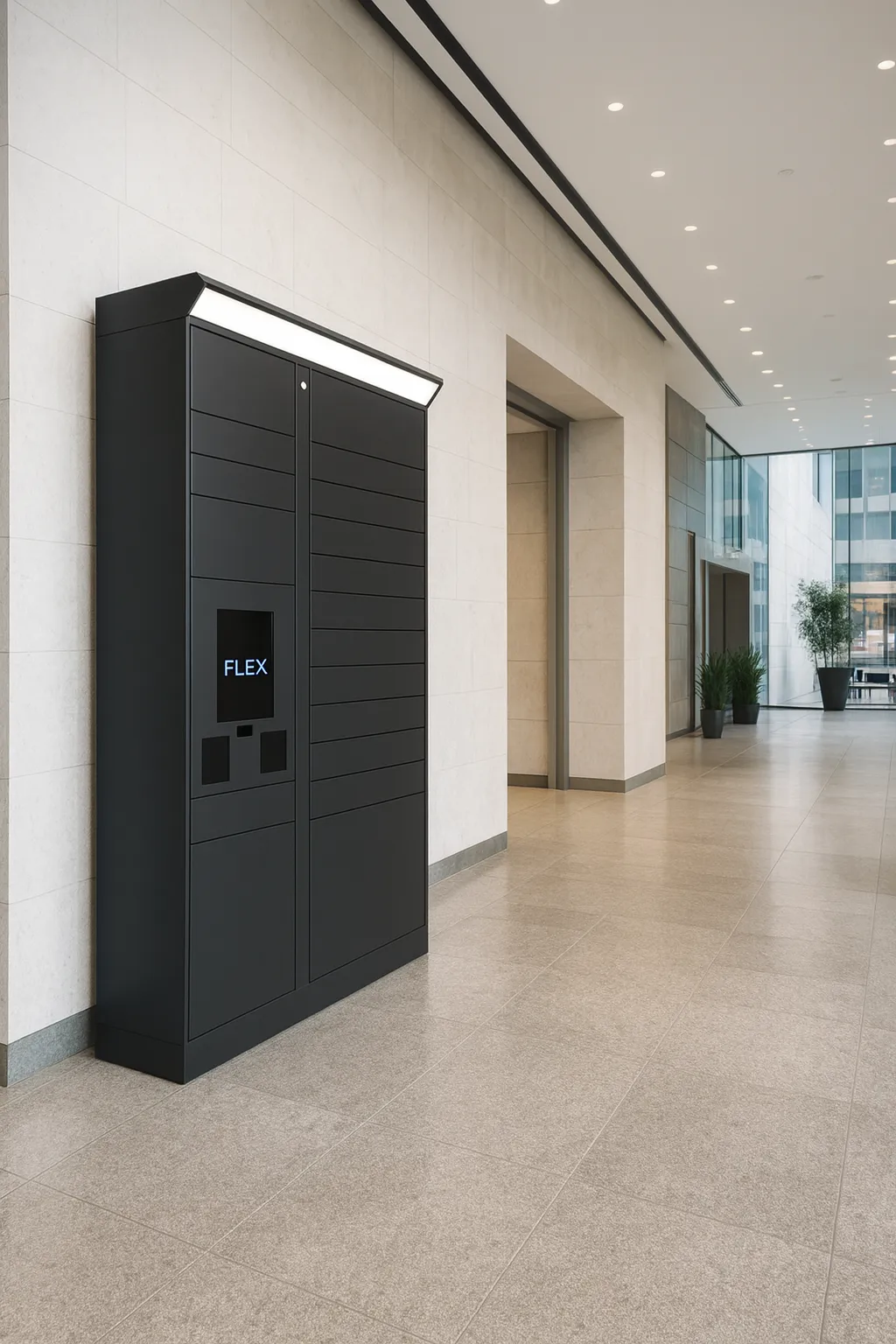
5 Common Pitfalls When Deploying Smart Locker Systems (and How to Avoid Them)
Deploying smart locker systems can be a game-changer for modern facilities. They promise streamlined operations, better security, and 24/7 accessibility. But like any major operational upgrade, success depends on execution and there are a few common pitfalls that can turn a smooth rollout into a costly challenge.
Here are five of the most frequent mistakes teams make when deploying smart lockers — and how to avoid them.
1. Skipping the Planning (and Simplification) Phase
Many organizations jump straight into installation without mapping their use cases or planning workflows. Without this foundation, it’s easy to end up with lockers that don’t fit the space or serve the right purpose.
For example, a property might install lockers sized for parcels, only to realize residents also receive grocery deliveries that don’t fit. Similarly, complex layouts or overlooked connectivity points can delay deployment and increase costs.
How to avoid it:
Take time for a pre-deployment assessment. Review user behavior, delivery volumes, and installation environments. Standardized yet flexible locker configurations, like accessa’s modular, hardware-agnostic setups, simplify installation and reduce friction from day one.
2. Overlooking the Total Cost of Ownership
High capital costs can be intimidating, especially when investing in new technology. But focusing solely on upfront expenses often overlooks long-term value and scalability.
How to avoid it:
Look for solutions that balance cost and flexibility. Leasing options, scalable hardware setups, and open integrations can significantly reduce the total cost of ownership. accessa’s approach optimizes the cost per compartment through adaptable configurations, ensuring your investment remains efficient as your needs grow.
3. Choosing Proprietary or Limited Systems
One of the biggest mistakes is selecting a locker system that locks you in, literally and figuratively. Proprietary setups may look appealing initially but can make integration, customization, or scaling difficult later on.
How to avoid it:
Opt for an open, hardware-agnostic platform with a robust API library. accessa’s lockerOS platform was built for interoperability, enabling easy connections with access control, property management, or logistics systems. The result? Greater flexibility, faster integrations, and a system that grows with your business.
4. Neglecting User Engagement and Adoption
Even the most advanced locker system will fail if people don’t use it properly. A lack of user engagement leads to confusion, underutilization, and manual workarounds.
How to avoid it:
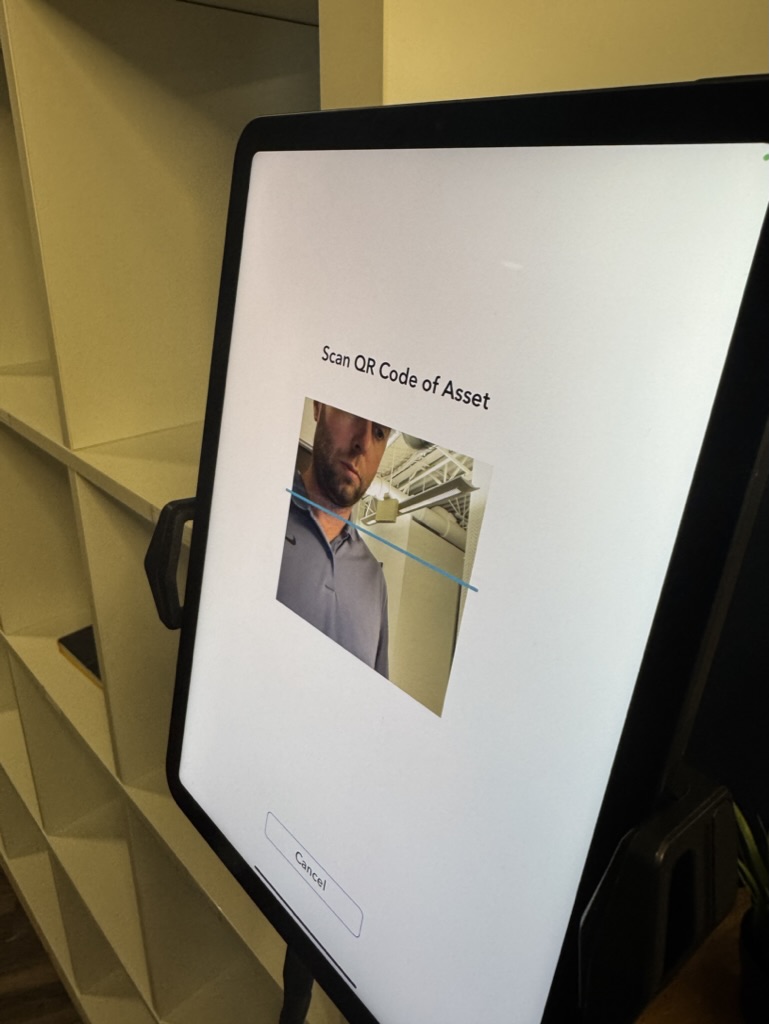
Plan your onboarding strategy early. Provide clear instructions, intuitive interfaces, and proactive notifications that keep users informed at every step. From on-site demos to QR code guides, accessa ensures that every user, whether a tenant, employee, or student, knows how to interact with the system confidently.
5. Ignoring Capacity Management and Ongoing Maintenance
Smart lockers aren’t install-and-forget systems. Over time, uncollected parcels, locker jams, or unmonitored usage patterns can reduce efficiency and user satisfaction.
How to avoid it:
Regularly review locker utilization data and forecast future capacity needs. accessa’s real-time monitoring tools help facilities detect potential issues early and optimize locker space based on usage trends. By tracking data and performing proactive maintenance, you prevent downtime and maximize ROI.
Future-Proofing Your Smart Locker Deployment
The most successful smart locker deployments are hardware with planning, adaptability, and continuous optimization.
At accessa, we help organizations design, deploy, and manage smart locker systems that deliver real value from day one and stay flexible as your operations evolve.
Ready to get started?
Talk to our team and discover how accessa can help you build a smarter, scalable locker solution that works for your facility.