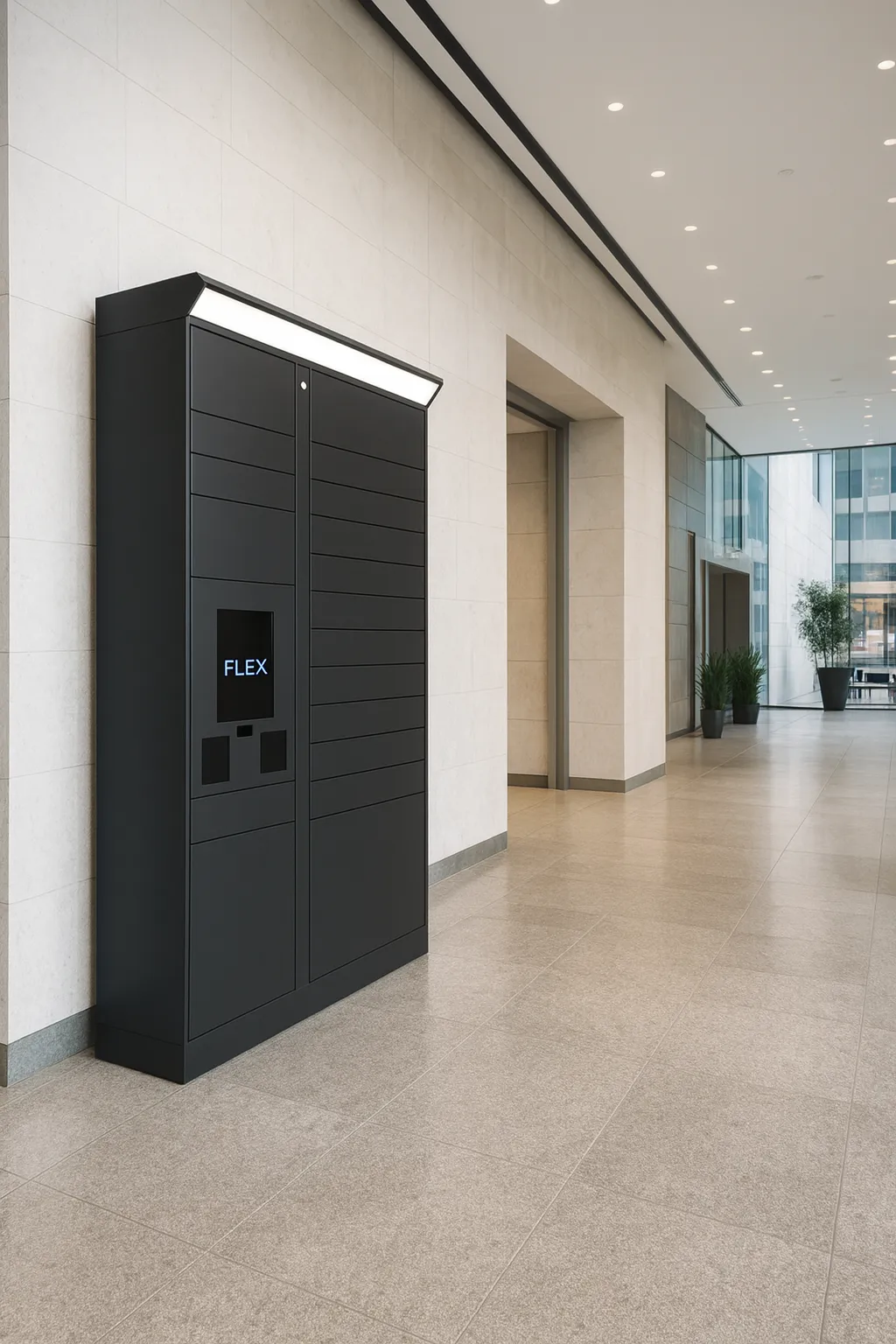
Asset Locker - Who took the Ipad ?
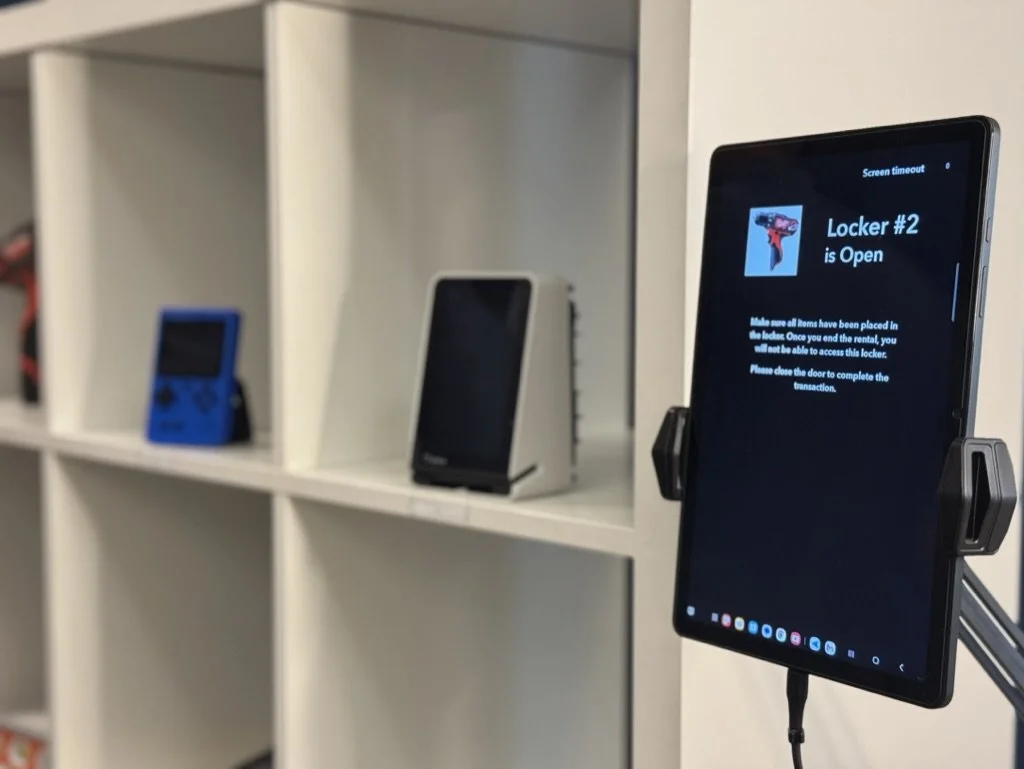
Managing shared devices without a clear system often leads to lost equipment, wasted time, and lack of accountability. As usage grows, manual processes quickly become inefficient and difficult to control. Asset lockers offer a smarter approach by introducing secure, trackable, and automated access to shared equipment. With full visibility over who uses what and when, organizations can reduce operational friction, improve efficiency, and take control of their assets.
A Smarter Way to Manage Shared Assets
In many organizations, shared devices and tools are part of daily operations. Tablets, laptops, scanners, and other equipment move constantly between teams, shifts, and locations.
But when there’s no clear system in place, one simple question keeps coming up:
When Asset Management Breaks Down
Without a structured process, companies often rely on manual tracking, spreadsheets, or informal handoffs. While this may work at a small scale, it becomes unreliable as usage increases.
Over time, this leads to common challenges:
Lost or misplaced equipment
Time wasted searching for available devices
Lack of accountability across teams
Delays in daily operations
These issues don’t just affect productivity — they create friction across the entire workflow.
Signs Your Asset Management Process Is Not Working
In many cases, the problem is already visible. The challenge is recognizing it early.
Some clear warning signs include:
No clear record of who is using each device
Equipment frequently goes missing or is hard to locate
Teams depend on manual check-in and check-out processes
Staff spend time looking for tools instead of using them
No visibility into how assets are being used
If this sounds familiar, the current system is already costing time, money, and efficiency.
A Smarter Way to Manage Assets
Asset lockers introduce a more controlled and reliable way to manage shared equipment. Instead of relying on manual processes, access is handled digitally and tracked automatically.
This creates a simple but powerful system:
Access is assigned to specific users
Every interaction is recorded in real time
Assets are stored securely when not in use
With this level of control, there is no guesswork. Teams know exactly where assets are and who is responsible for them.
From Chaos to Control
The biggest shift is not just operational — it’s cultural. Instead of constantly asking where equipment is, organizations gain full visibility and accountability.
This leads to smoother operations, fewer losses, and more efficient use of resources.
In fast-moving environments where shared assets are critical, having a system that is secure, trackable, and easy to use is no longer optional. It’s essential.