How Automating Laundry Handoffs Saves Hours Every Week
How Automating Laundry Handoffs Saves Hours Every Week
Nobody gets into facilities management because they love coordinating laundry pickups. And yet, in residential buildings, campuses, and workplaces all over the world, that's exactly what staff end up spending a chunk of their week on — receiving bags, logging orders, chasing down pickups, answering the same questions over and over.
It's not a glamorous problem. But it's a real one.
The Problem with Manual Laundry Management
The thing about manual laundry coordination is that no single step feels like a big deal. Someone drops off a bag — takes two minutes. Staff log the order — another two minutes. A resident asks about their pickup — a quick back-and-forth. Fine.
But do that thirty times a week, across drop-offs, tracking, and pickup coordination, and suddenly you're looking at hours of staff time spent on something that, honestly, shouldn't require a human at all. The work isn't hard. It's just constant — and that's what makes it so draining.
Where Time Gets Lost
The hidden cost of this kind of work isn't the time itself — it's the interruptions. Every drop-off that needs to be received pulls someone away from whatever they were doing. Every missed pickup creates a follow-up. Every order logged by hand is one that could be logged wrong.
Over a week, across a building or a campus with dozens of users, those moments stack up fast. And unlike a project you can batch or delegate, coordination tasks demand attention exactly when they happen — not when it's convenient.
Automating the Process
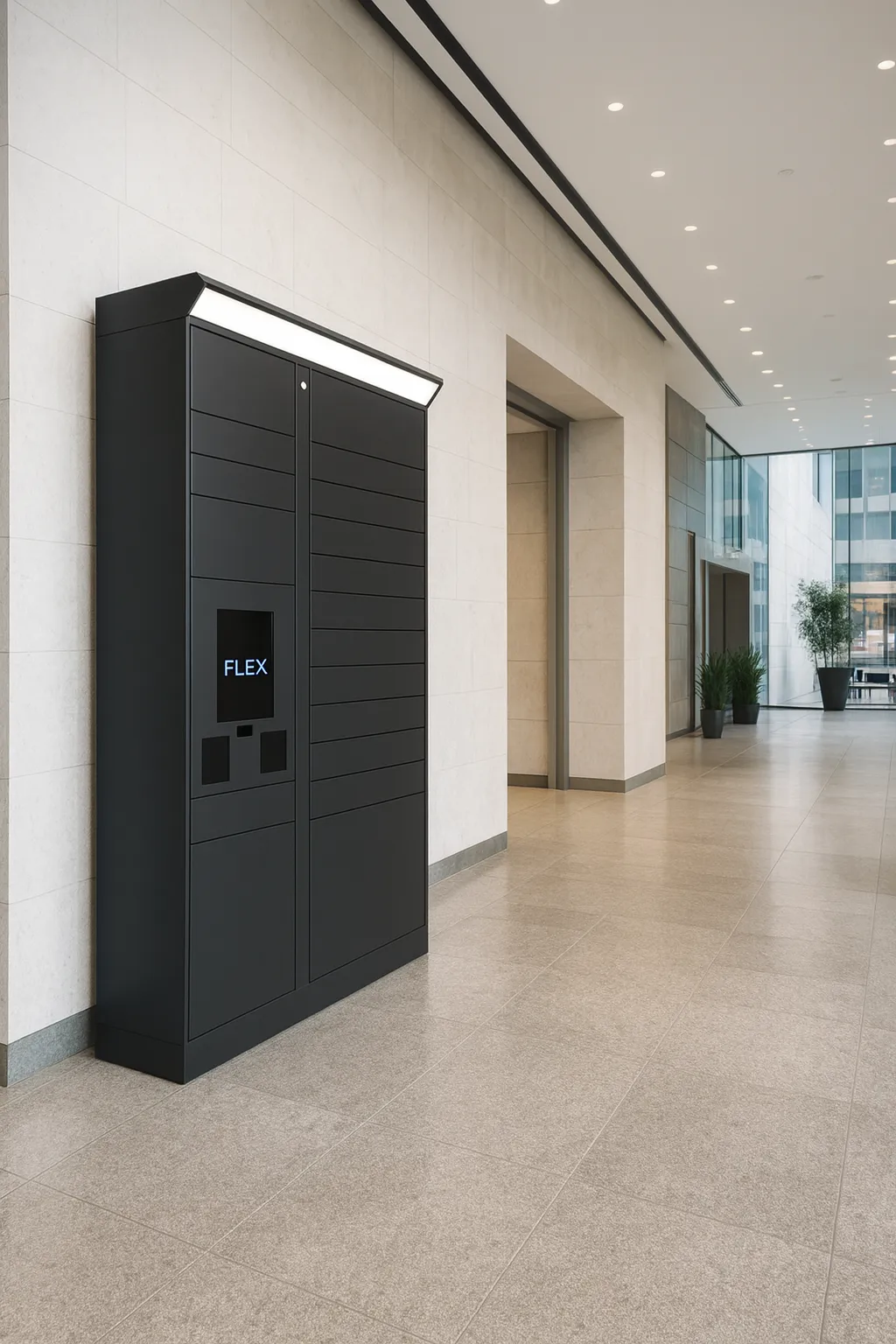
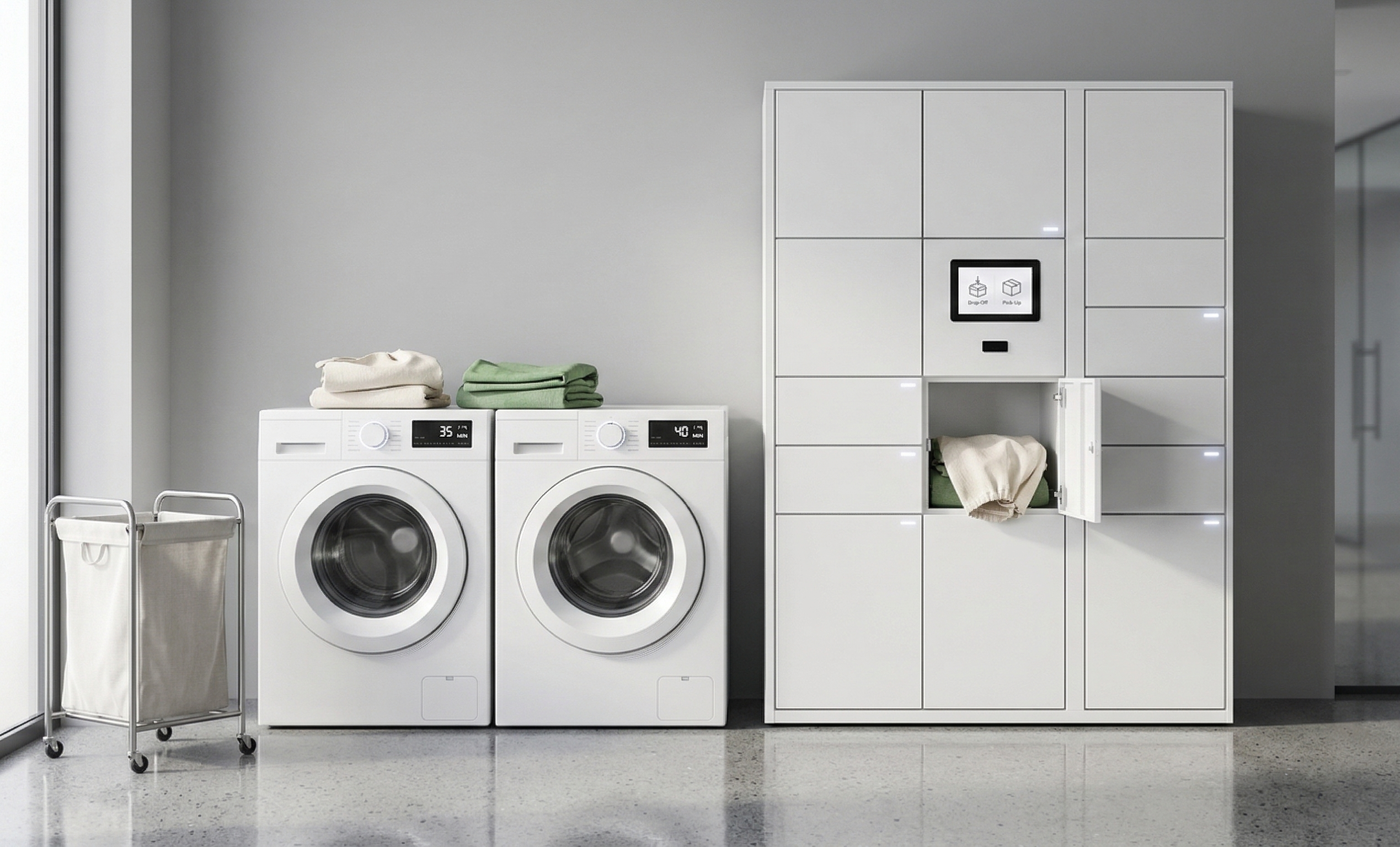
Laundry lockers take the handoff out of the equation. Instead of coordinating around each other's schedules, the process becomes:
Users drop off whenever it works for them — no staff required
Orders get processed without any back-and-forth
Pickups happen on the user's timeline, with a secure access code
That's it. No scheduling. No waiting around. No "I'll leave it at the front desk" messages.
The Impact on Staff Efficiency
When that layer of coordination disappears, the effect on staff isn't just "more time" — it's better time. Fewer interruptions means longer stretches of focused work. Less repetitive admin means more energy for the things that actually need attention.
Most teams that make this switch are surprised by how much mental load the old process was carrying. It's one of those things you don't fully notice until it's gone.
A Smarter Service Model
The goal was never to make laundry harder than it needs to be. Automating the handoff process doesn't change what the service is — it just removes the friction that was built into it by default. Users get flexibility. Staff get their time back. And the whole operation runs without anyone having to think too hard about it.
Which, when you put it that way, sounds pretty obvious.
Explore the real value of automation — calculate your Laundry Locker ROI with our interactive tool :