How to Build a Padel Facility That Runs Itself
The fastest-growing sport in the world has an operations problem. Here's how the smartest operators are solving it.
Padel is having a moment. With over 25 million players worldwide and court construction accelerating across North America, Europe, and the Middle East, the opportunity to open a padel facility has never looked more attractive.
But behind the momentum, a quieter story is playing out.
Facilities are opening fast — and some are closing just as fast. Not because padel isn't popular. Because running a sports facility is harder than building one, and most operators underestimate the operational weight until they're already buried in it.
The ones thriving? They didn't just build courts. They built systems.
The Hidden Cost of Running a Padel Club Manually
Ask any padel facility manager what their morning looks like and you'll hear a version of the same story.
Checking which equipment is missing. Tracking down unreturned rentals. Fielding calls from members who can't get access. Pulling staff off the floor to handle things a system should be handling automatically.
It's not glamorous. And it's not why anyone opens a sports facility.
The operational overhead of a manually-run club is significant and it scales in the wrong direction. The busier you get, the more staff you need. The more staff you need, the thinner your margins get. And the more your team is managing logistics, the less they're focused on the member experience that actually drives retention.
This is the trap most new padel operators walk into without realizing it.
Why Padel Facilities Fail in Year Two
The boom phase of any sport creates a wave of enthusiastic operators. Padel is no different.
Courts go up quickly. Opening day is packed. Memberships sell. Everything looks good.
Then year two hits.
Equipment starts disappearing. Rental tracking becomes a spreadsheet nightmare. A staff member leaves and suddenly nobody knows the system. Members complain about wait times and access issues. The margins that looked solid on paper start compressing.
The facilities that don't make it past year two almost always share the same root cause: they built a great product and a fragile business.
Courts are the product. Operations are the business. Most people only plan for one of them.
What It Means to Build a Padel Facility That Runs Itself
Automation in a sports facility context isn't about replacing the human element — it's about removing the friction that gets in the way of it.
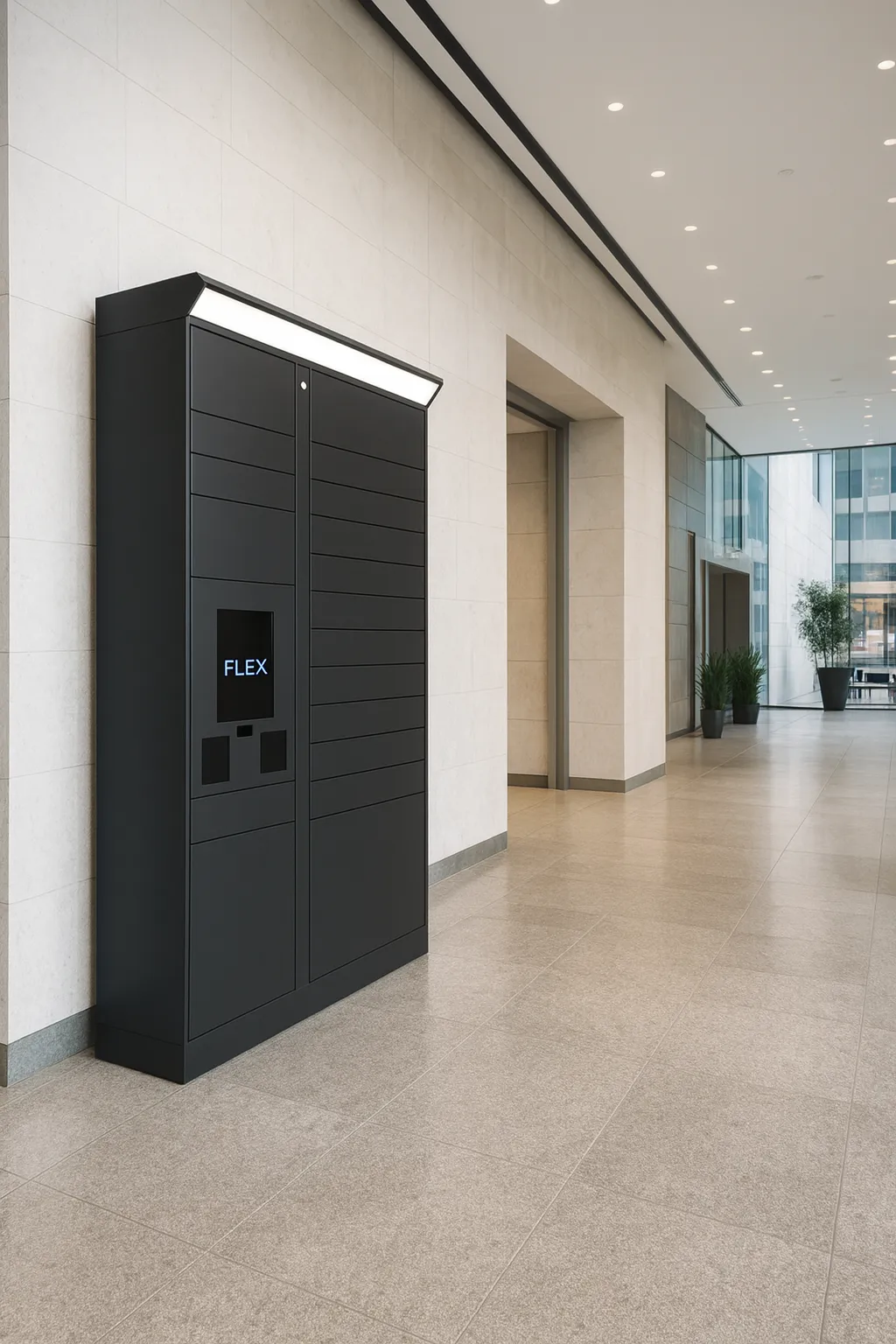
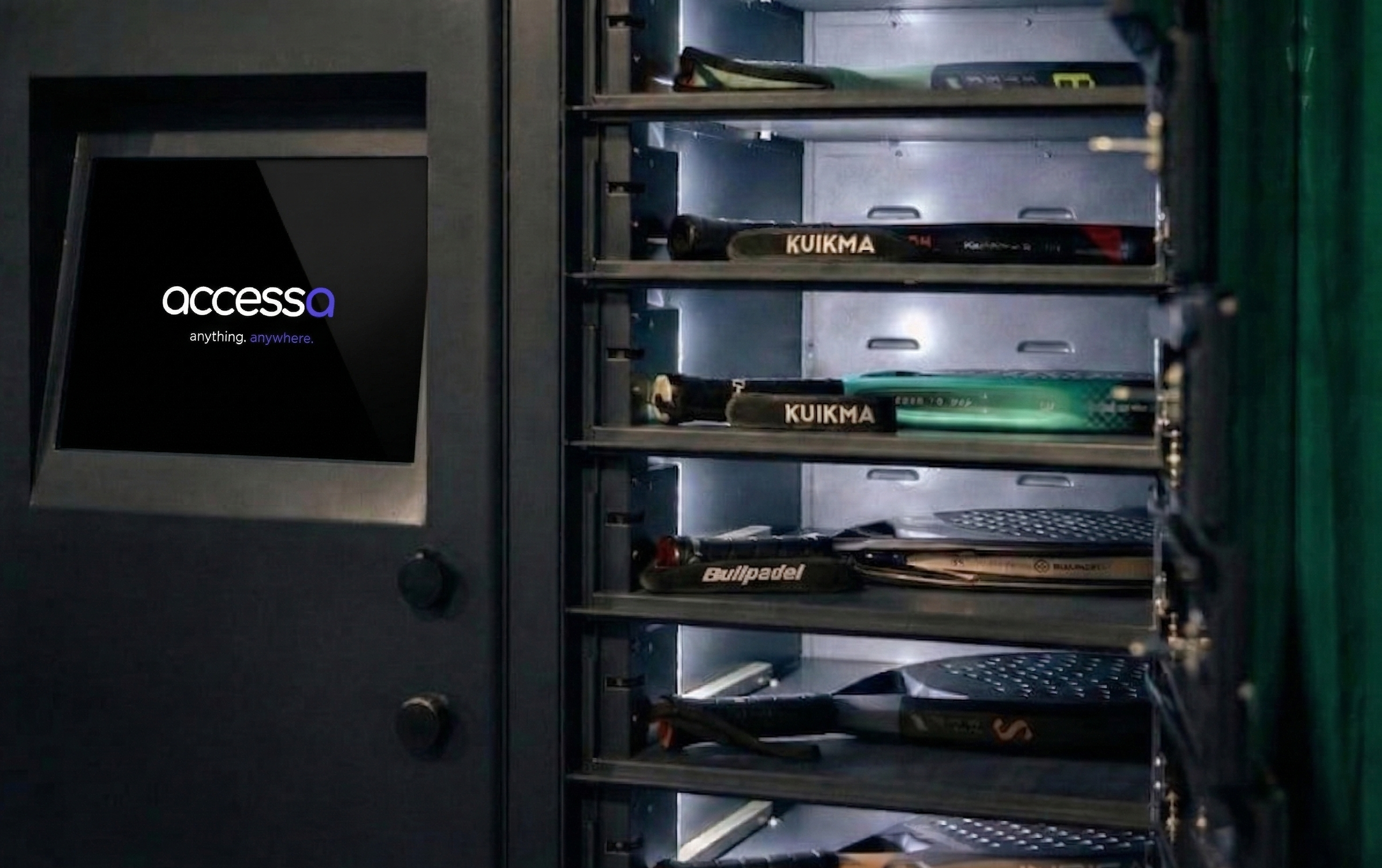
When a member walks in and can access their rental racket from a smart locker without waiting for a staff member, that's not a cold experience. That's a fast, seamless one. The staff member who would have handled that transaction is now free to coach, connect, and build the community that keeps members coming back.
Here's what a self-running padel facility looks like in practice:
Equipment management without the headache. Smart asset lockers automate the full equipment lending cycle. Members check out rackets independently, returns are logged automatically, and inventory is tracked in real time. No more missing gear. No more manual counts at the end of the day.
Access control that doesn't depend on someone being there. Keyless, automated access means your facility can operate during off-peak hours without staffing costs eating into revenue. Early morning sessions, late evening bookings — all accessible without a single staff member on site.
Data that actually tells you something. Every transaction, every checkout, every return is logged. You know which equipment gets used most, when your peak demand windows are, and where your inventory gaps are before they become a problem.
A member experience worth talking about. Frictionless access, self-serve equipment, fast check-in — these are the details members notice. And in a market where padel facilities are multiplying, experience is what drives word of mouth.
The Operators Getting It Right
The padel facilities building sustainable businesses share a common mindset: they treat the operational layer as a competitive advantage, not an afterthought.
They invest in smart infrastructure early — before the operational weight of a growing membership forces their hand. They automate the repeatable tasks so their team can focus on the irreplaceable ones. And they build with scale in mind, so adding courts or locations doesn't mean proportionally adding headcount.
This isn't a luxury reserved for large operators. Smart locker and access automation technology has become accessible to independent facility owners — and the ROI case is straightforward. Reduced staff hours, lower equipment loss, higher member satisfaction, and the ability to operate extended hours without extended costs.
What to Think About Before You Open
If you're in the planning phase, here are the operational questions worth answering before you open the doors:
How will members access equipment without a staff member present? If the answer is "they won't" or "we'll figure it out," that's a gap worth closing before day one.
How will you track rentals and returns? Manual systems work until they don't. Build for volume, not for launch day.
What does your facility look like at 6am or 10pm? If the answer is "closed," you're leaving revenue on the table. Automated access unlocks those hours without adding labor costs.
How will you handle equipment loss? Smart lockers log every transaction. If something goes missing, you know exactly when and who.
What happens when a staff member is sick or leaves? Facilities that run on systems survive personnel changes. Facilities that run on people don't.
The Bottom Line
Padel courts are going up everywhere. The ones that last will be the ones that were built to run themselves.
The sport isn't the risk. The operations are. And the operators who take that seriously from the start — who invest in automation, smart access, and equipment management infrastructure before they need it — are the ones who'll still be thriving when the market matures.