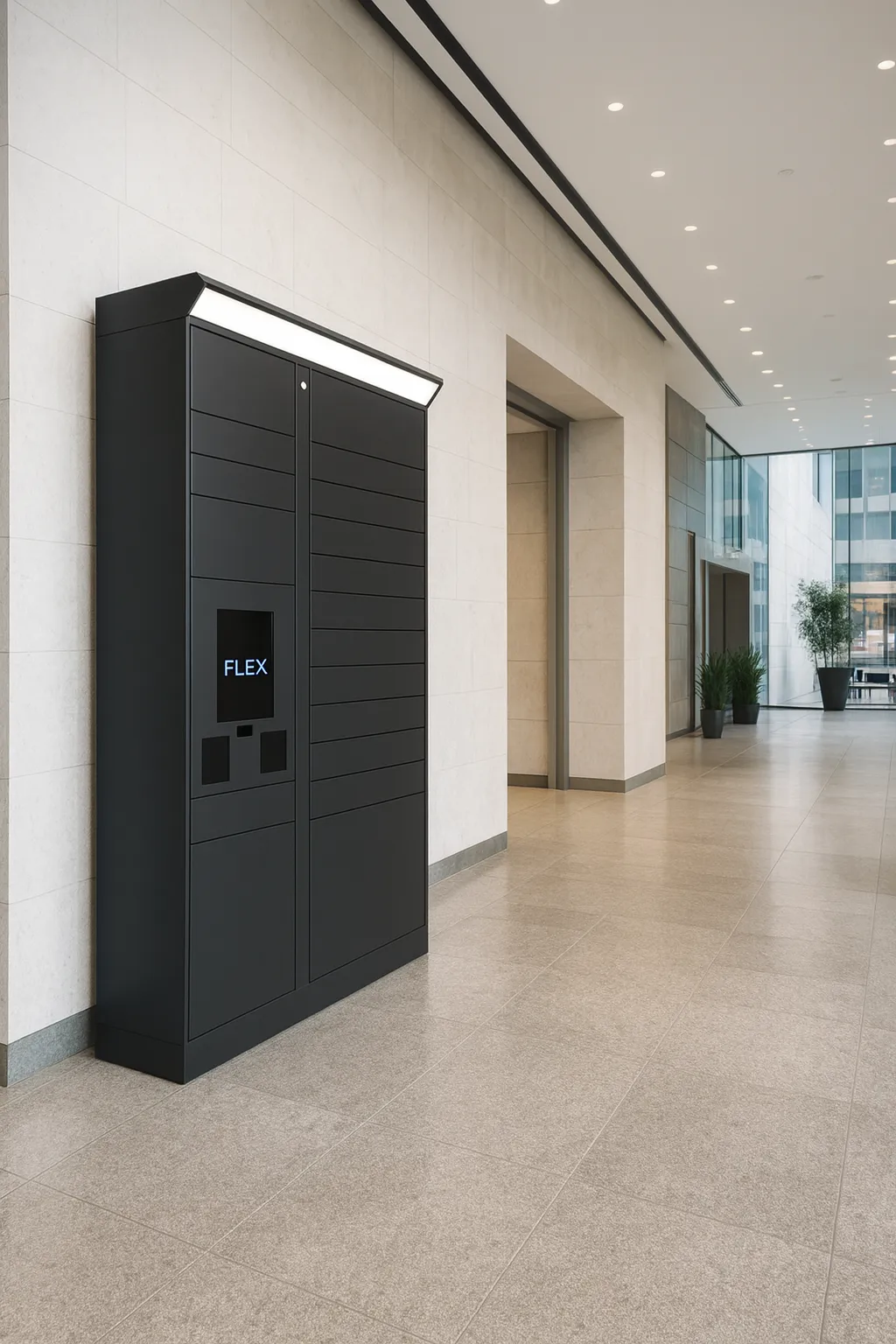
What Businesses Should Know About Moving From regular lockers to smart lockers
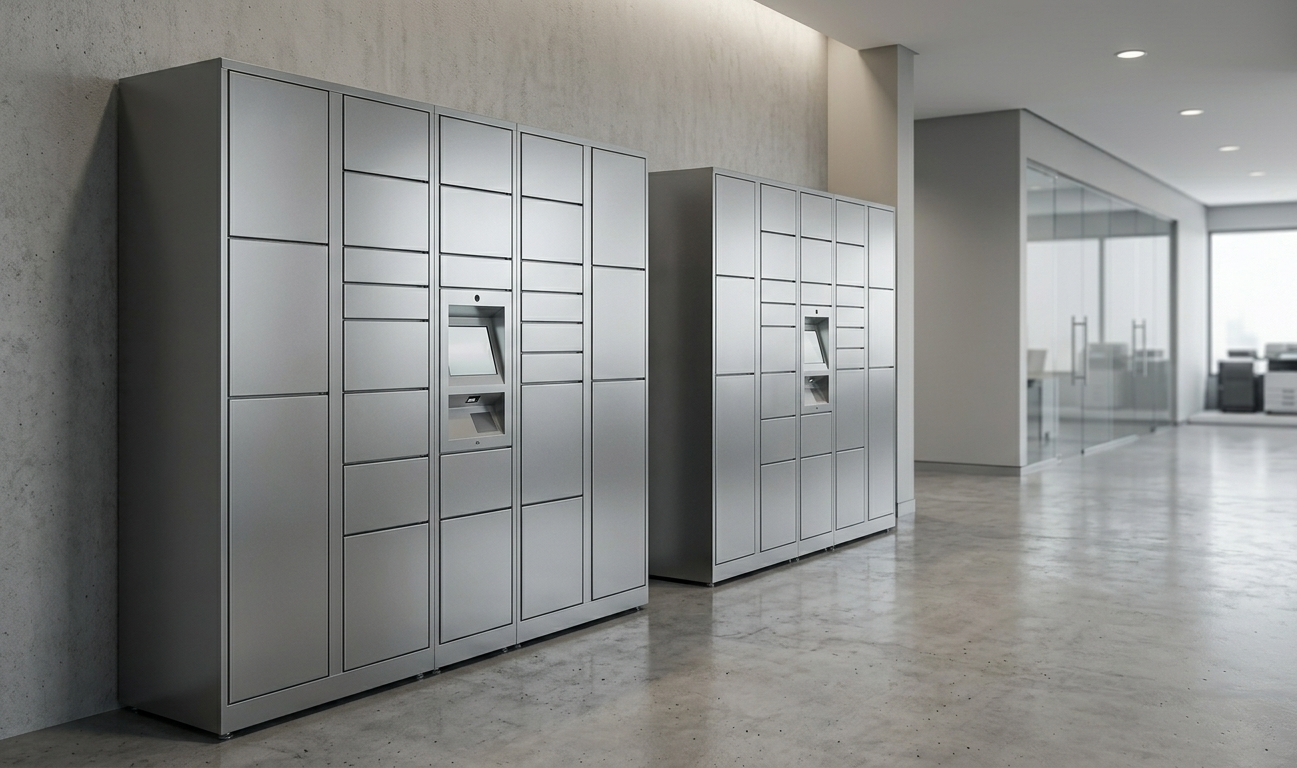
Many businesses still rely on traditional lockers, but manual keys and fixed access systems often create unnecessary operational work. Smart lockers introduce digital access, real-time visibility, and flexible usage models that support modern business environments. By moving away from manual processes, organizations can improve efficiency, security, and long-term scalability.
Traditional Lockers Create Hidden Operational Work
Regular lockers require manual processes. Keys need to be distributed, tracked, replaced, or reset. If a key is lost, locks must be changed. If access needs to be reassigned, it often requires physical intervention.
Over time, these small tasks add up.
Front desk teams, facility managers, or supervisors end up managing access manually. This creates unnecessary workload and increases the chance of errors or lost items.
Smart lockers remove this layer of manual coordination by allowing access to be assigned digitally, updated instantly, and tracked automatically.
Visibility and Accountability Matter More Than Ever
With regular lockers, there is usually no clear record of who accessed a compartment and when.
In modern business environments, accountability is critical. Companies need visibility, especially when lockers are used for shared equipment, employee storage, deliveries, or sensitive assets.
Smart lockers provide digital tracking and access logs. Every interaction is recorded. This increases transparency and reduces risk.
For growing organizations, this level of control becomes essential.
Flexibility Is Now a Business Requirement
Work environments are no longer static. Teams rotate. Employees work hybrid schedules. Assets move between departments.
Traditional lockers are fixed and often assigned permanently. This can lead to unused compartments or inefficient space usage.
Smart lockers allow businesses to move toward flexible allocation models. Lockers can be assigned temporarily, shared between users, or managed based on real-time demand.
This makes better use of space and supports evolving operational needs.
Security Standards Are Higher Today
Security expectations have changed. Physical keys can be copied, lost, or shared without control.
Smart lockers offer stronger access methods such as PIN codes, digital credentials, RFID, or mobile access.
More importantly, access can be revoked immediately if needed. There is no need to replace physical locks or wait for manual changes.
For businesses managing equipment, devices, documents, or deliveries, this is a major advantage.
The Shift Is About Infrastructure, Not Just Storage
The move from regular lockers to smart lockers reflects a broader shift in how businesses think about infrastructure.
Companies are investing in systems that:
Reduce manual processes
Improve operational visibility
Support flexible environments
Scale with growth
Smart lockers are not just upgraded storage units. They become part of a connected system that supports efficiency and long-term operational control.
What to Consider Before Making the Move
For businesses evaluating this transition, the key question is not whether regular lockers still function.
The real question is whether they support the level of efficiency, security, and flexibility your organization needs today — and in the future.
Moving to smart lockers is often a practical step toward modernizing operations without disrupting existing workflows.
For B2B environments where accountability, scalability, and operational control matter, the shift is less about convenience and more about building smarter infrastructure.