What Is a Smart Locker? And 8 Reasons Your Company Needs One
As workplaces, campuses, and commercial facilities evolve, expectations around convenience, security, and efficiency continue to rise. Manual storage rooms, front-desk handovers, and key-based lockers are no longer enough.
This is where smart lockers come in.
In this guide, we’ll break down what a smart locker is, how it works, and 8 compelling reasons why companies across industries are adopting smart locker systems today.
What Is a Smart Locker?
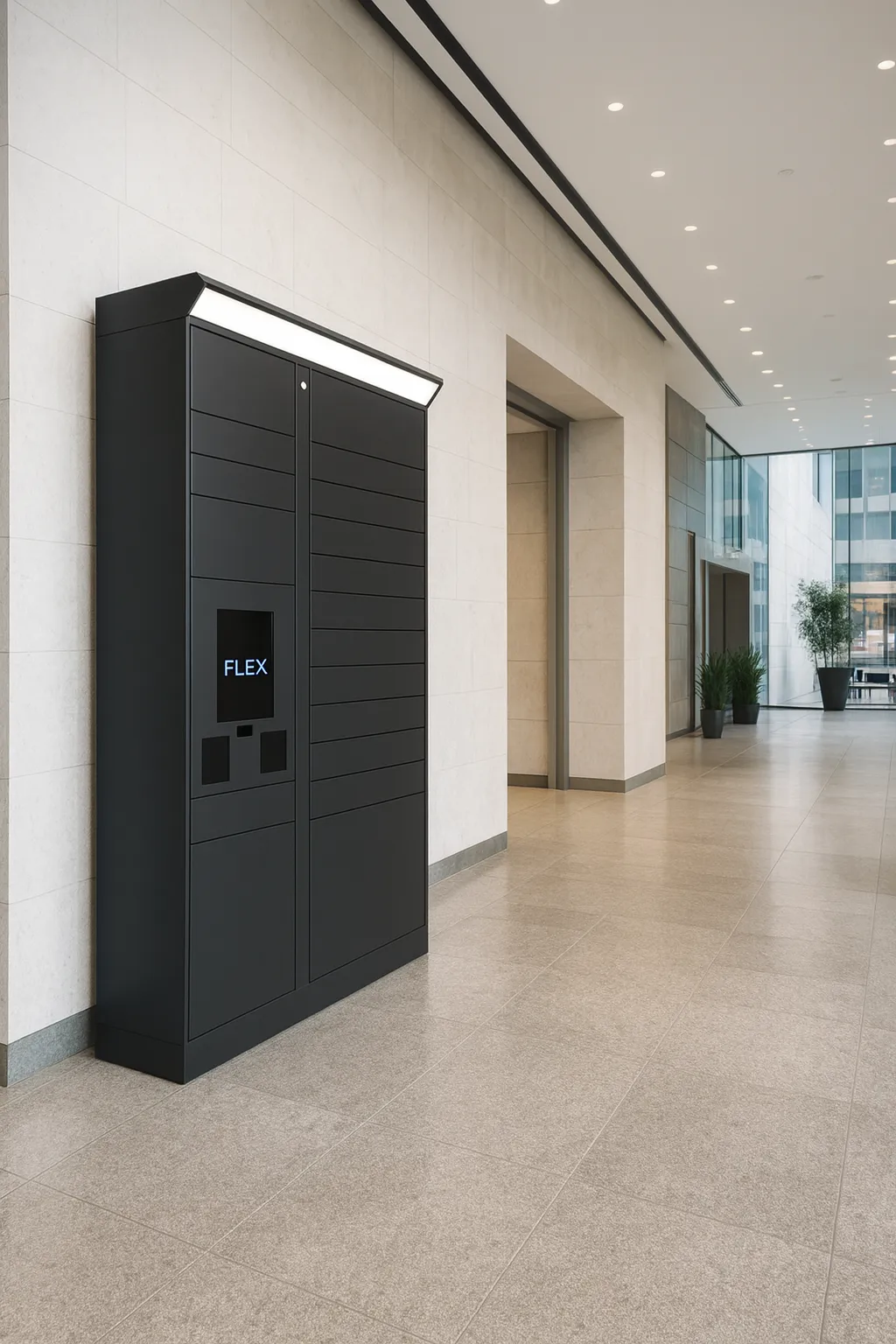
A smart locker is a secure, electronically controlled locker system that uses software, connectivity, and authentication methods (such as PIN codes, RFID cards, QR codes, or mobile apps) to manage access.
Unlike traditional lockers, smart lockers:
Operate without physical keys
Track usage and access in real time
Can be managed remotely via a cloud-based platform
Integrate with existing systems like building access, HR, or logistics software
Smart lockers are commonly used for:
Parcel and mail management
Employee asset storage
Click-and-collect services
Laundry and dry-cleaning services
Shared equipment and inventory
In short, they turn storage into an automated, self-service experience.
How Do Smart Lockers Work?
At a high level, smart lockers follow a simple flow:
An item is placed inside a locker compartment
The system assigns access to a specific user
The user receives a notification or access credential
The locker opens securely when authenticated
Every interaction is logged and tracked
This automation removes manual handling while increasing transparency and control.
8 Reasons Your Company Needs Smart Lockers
1. Eliminate Manual Processes
Front-desk handovers, sign-out sheets, and key management consume time and are prone to errors. Smart lockers automate these workflows, freeing staff to focus on higher-value tasks.
2. Improve Security and Accountability
Every access attempt is logged with timestamps and user data. This creates a clear audit trail, reduces theft, and ensures only authorized users can retrieve items.
3. Enable 24/7 Self-Service Access
Smart lockers allow users to collect parcels, equipment, or assets anytime without relying on office hours or staff availability. Perfect for hybrid workplaces and high-traffic facilities.
4. Save Space and Reduce Operational Costs
By centralizing and optimizing storage, companies can:
Reduce the need for storage rooms
Minimize staffing costs
Avoid lost or misplaced items
Over time, smart lockers pay for themselves through operational efficiency.
5. Scale Easily Across Locations
Smart locker systems are modular and software-driven. Whether you’re deploying in one office or across multiple sites, lockers can be added, reconfigured, and managed remotely.
6. Enhance User Experience
Employees, customers, and visitors value speed and convenience. Smart lockers remove friction by making pickup and drop-off simple, intuitive, and fast, no waiting, no coordination required.
7. Gain Real-Time Insights and Data
Smart locker platforms provide dashboards and reports on:
Usage rates
Peak access times
Locker occupancy
User behavior
These insights help optimize operations and plan future expansions.
8. Support Sustainability Goals
By reducing paper processes, repeated delivery attempts, and unnecessary staff movement, smart lockers contribute to more sustainable, efficient operations, especially in logistics and parcel management.
Industries That Benefit Most from Smart Lockers
Smart lockers are already transforming operations in:
Corporate offices and coworking spaces
Universities and schools
Residential properties
Retail and e-commerce
Logistics and industrial facilities
Hospitality and travel hubs
Anywhere items need to be stored, transferred, or accessed securely, smart lockers make sense.
Smart lockers are no longer a “nice-to-have.” They are fast becoming a core infrastructure for modern facilities that value efficiency, security, and user-centric design.
If your organization is still relying on manual storage or outdated locker systems, upgrading to smart lockers could be one of the simplest ways to modernize operations, without disrupting existing workflows.